
Metformin & Alcohol Risk Calculator
This calculator assesses your risk of lactic acidosis when taking metformin and consuming alcohol. Lactic acidosis is a rare but potentially fatal condition where lactic acid builds up in your blood. Results are based on clinical guidelines but are not medical advice.
When you take metformin for type 2 diabetes, you’re likely used to hearing about stomach upset, nausea, or maybe even weight loss. But there’s a much more serious risk that rarely gets talked about-lactic acidosis-and alcohol can turn a quiet side effect into a life-threatening emergency.
What Is Lactic Acidosis?
Lactic acidosis isn’t just a buzzword. It’s a dangerous buildup of lactic acid in your blood, making it too acidic. Normal blood pH is around 7.35 to 7.45. When it drops below 7.35 and lactate levels climb past 5 mmol/L, your body’s chemistry starts to break down. Your organs struggle to function. Your heart can race. Your breathing becomes shallow. In severe cases, you can slip into a coma-or die. This isn’t common. About 0.03 cases happen per 1,000 people taking metformin each year. But when it does happen, 30 to 50% of patients don’t survive. That’s why doctors don’t take it lightly.Why Metformin and Alcohol Are a Dangerous Mix
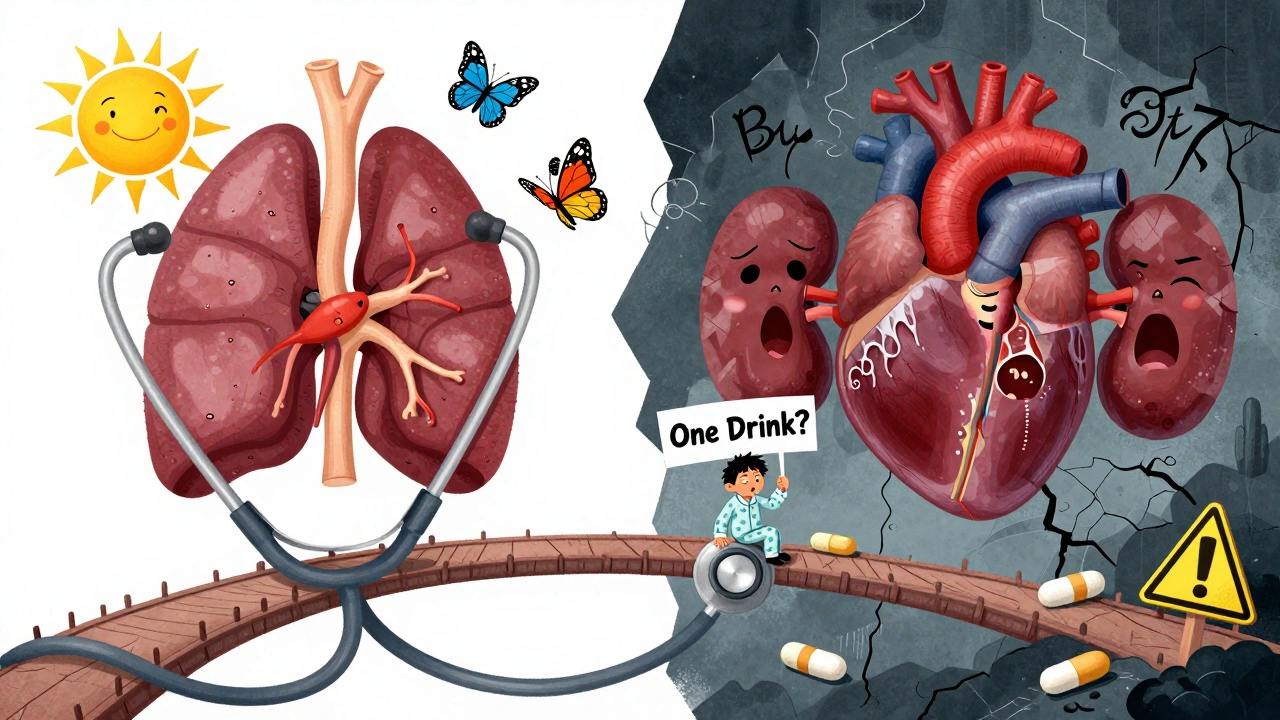
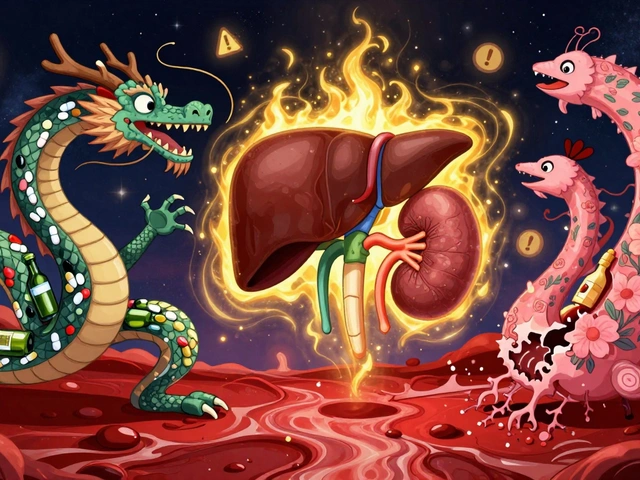
Metformin works by slowing down how much sugar your liver makes. But that same process causes your body to produce more lactic acid. Normally, your liver and kidneys clean that up. But alcohol throws a wrench in the system. When you drink, your liver uses up a key molecule called NAD+ to break down ethanol. That same molecule is needed to clear lactic acid. So now your liver is busy processing alcohol-and can’t handle the extra lactic acid from metformin. Your kidneys are also working overtime trying to flush out metformin. If you’re dehydrated, have kidney issues, or drink heavily, your body can’t keep up. It’s not just about how much you drink. It’s about how you drink. Binge drinking-four or more drinks in two hours for women, five or more for men-is especially risky. Even one heavy drinking session can trigger lactic acidosis in someone on metformin, even if their kidneys are perfectly fine.The FDA’s Black Box Warning
The FDA doesn’t slap black box warnings on drugs lightly. That’s the strongest warning they have. And metformin has one-for lactic acidosis. The label clearly says: “Avoid excessive alcohol intake.” But here’s the problem: no one tells you what “excessive” means. Some doctors say one drink a day is fine. Others say zero. The American Diabetes Association doesn’t give a number. It just says “avoid excessive alcohol.” That leaves patients guessing. A 2023 study in the Journal of Diabetes Science and Technology found that 61% of metformin users didn’t know what “excessive” meant in this context. Many thought a glass of wine with dinner was safe. Others didn’t realize a weekend binge could be deadly.Real Stories, Real Consequences
On Healthline’s diabetes forum, a user named “DiabetesWarrior42” described collapsing after six beers. He had muscle cramps, a racing heart, and vomiting. His lactate level hit 6.2 mmol/L-above the danger line. He spent three days in the ICU. Another Reddit user, “SugarFreeLife,” shared how a bachelor party with 10 shots left him struggling to breathe. His muscles locked up. He thought it was just a bad hangover-until he couldn’t stand up. His doctor later told him he had early lactic acidosis. According to GoodRx’s 2023 survey, 42% of metformin users specifically cut out alcohol because they were scared of lactic acidosis. Another 63% said alcohol made their nausea and diarrhea worse. But the scariest part? 68% of people who ended up in the hospital with lactic acidosis didn’t recognize the symptoms at first. They blamed it on a hangover, a stomach bug, or just being tired.
Who’s at the Highest Risk?
You might think only people with kidney disease are at risk. That’s true-but not the whole story. The biggest risk factor is kidney function. Metformin is cleared through your kidneys. If your eGFR (a measure of kidney health) drops below 30, you shouldn’t take metformin. Between 30 and 45, your doctor may reduce your dose. But here’s what many don’t know: people with perfectly normal kidneys have developed lactic acidosis after drinking heavily. Alcohol doesn’t need kidney problems to be dangerous-it can trigger the problem on its own. Other risk factors include:- Age over 65
- Heart failure or liver disease
- Recent surgery or serious illness
- Dehydration
- Taking metformin on an empty stomach with alcohol
What About Other Diabetes Medications?
Metformin is unique. Other diabetes pills-like sulfonylureas, DPP-4 inhibitors, or SGLT2 inhibitors-don’t cause lactic acidosis. Newer drugs like semaglutide (Ozempic) or empagliflozin (Jardiance) have different side effects: nausea, urinary tract infections, or dehydration. But they don’t mess with your body’s acid balance like metformin does. That’s why metformin remains first-line therapy. It’s cheap, effective, and has a strong track record. But its alcohol risk is one of the few real dangers left in its profile. Phenformin, its older cousin, was pulled off the market in 1978 because it caused lactic acidosis in up to 64 out of every 100,000 users. Metformin? About 0.03 per 1,000. That’s 100 times safer. But it’s still dangerous enough to warrant a black box warning.What Should You Do?
There’s no official safe amount. So here’s what most doctors recommend:- During the first 4 to 8 weeks of starting metformin, avoid alcohol completely. Your body is adjusting, and your risk is highest.
- If you choose to drink later, stick to one drink a day for women, two for men. That’s the American Heart Association’s definition of moderate.
- Absolutely avoid binge drinking. Even one night of heavy drinking can be dangerous.
- Never drink on an empty stomach. Alcohol lowers blood sugar. Metformin lowers blood sugar. Together, they can cause dangerous hypoglycemia.
- Stay hydrated. Drink water before, during, and after alcohol.
- Know the symptoms. Unusual muscle pain, trouble breathing, dizziness, stomach pain, nausea, vomiting, or feeling cold and weak? These aren’t just hangover signs. Get to a hospital immediately.
Don’t Forget Vitamin B12
Metformin and alcohol both drain your body of vitamin B12. Studies show 7 to 10% of long-term metformin users develop a deficiency each year. Alcohol makes it worse. Low B12 can cause nerve damage, numbness in hands and feet, memory problems, and even depression. If you’ve been on metformin for more than three years and drink regularly, ask your doctor for a B12 blood test. You might need supplements.What’s Changing?
New extended-release metformin formulas came out in 2023. They cause less stomach upset-but they don’t change the lactic acidosis risk. The warning stays the same. A major study called the MALA-Prevention Study started in January 2024. It’s tracking 5,000 metformin users to finally answer: How much alcohol is too much? Results aren’t expected until late 2025. Until then, the advice is simple: when in doubt, don’t drink. Your liver and kidneys are already working hard to keep you alive. Don’t ask them to handle more than they can.When to Seek Help
If you’ve taken metformin and drank alcohol-and now you feel:- Unusual muscle pain or weakness
- Difficulty breathing
- Severe nausea or vomiting
- Stomach pain or bloating
- Dizziness or lightheadedness
- Feeling cold, especially in your arms and legs
Can I have one glass of wine with dinner while taking metformin?
Some doctors say yes, if your kidneys are healthy and you don’t drink often. But there’s no proven safe level. One drink might be fine for you, but risky for someone else. If you choose to drink, stick to one glass, eat food first, and never make it a daily habit. When in doubt, skip it.
Does alcohol make metformin less effective?
Not directly. Alcohol doesn’t stop metformin from lowering blood sugar. But it can cause your blood sugar to drop too low, especially if you drink on an empty stomach. This increases the risk of hypoglycemia, which can be dangerous on its own. The bigger risk, however, is lactic acidosis-not reduced effectiveness.
Is lactic acidosis the same as ketoacidosis?
No. Diabetic ketoacidosis (DKA) happens when your body burns fat for fuel because it lacks insulin, producing ketones. Lactic acidosis is caused by too much lactic acid, often from drugs like metformin or alcohol. Both are serious, but they need different treatments. DKA is more common in type 1 diabetes; lactic acidosis is rare but linked to metformin and alcohol in type 2.
I’ve been drinking while on metformin for years-should I be worried?
If you’ve never had symptoms and your kidney function is normal, you may be fine. But that doesn’t mean you’re safe. Lactic acidosis can strike suddenly, even after years of no issues. Talk to your doctor about your drinking habits. Get a kidney test and a B12 check. It’s better to be cautious now than to risk an emergency later.
Are there any diabetes medications that are safer with alcohol?
Yes. Medications like GLP-1 agonists (semaglutide, dulaglutide) and SGLT2 inhibitors (empagliflozin, dapagliflozin) don’t carry a lactic acidosis risk. They’re more expensive and often used after metformin, but if alcohol is a big part of your life and you’re struggling with side effects, talk to your doctor about switching. Your safety matters more than cost.
Can I drink alcohol after stopping metformin?
Metformin stays in your system for about 24 hours after your last dose. If you’ve just stopped taking it, wait at least a full day before drinking. Even then, be cautious-your body may still be adjusting. If you’re stopping metformin because of side effects or kidney issues, talk to your doctor about safe alcohol limits based on your overall health.
14 Comments
Write a comment