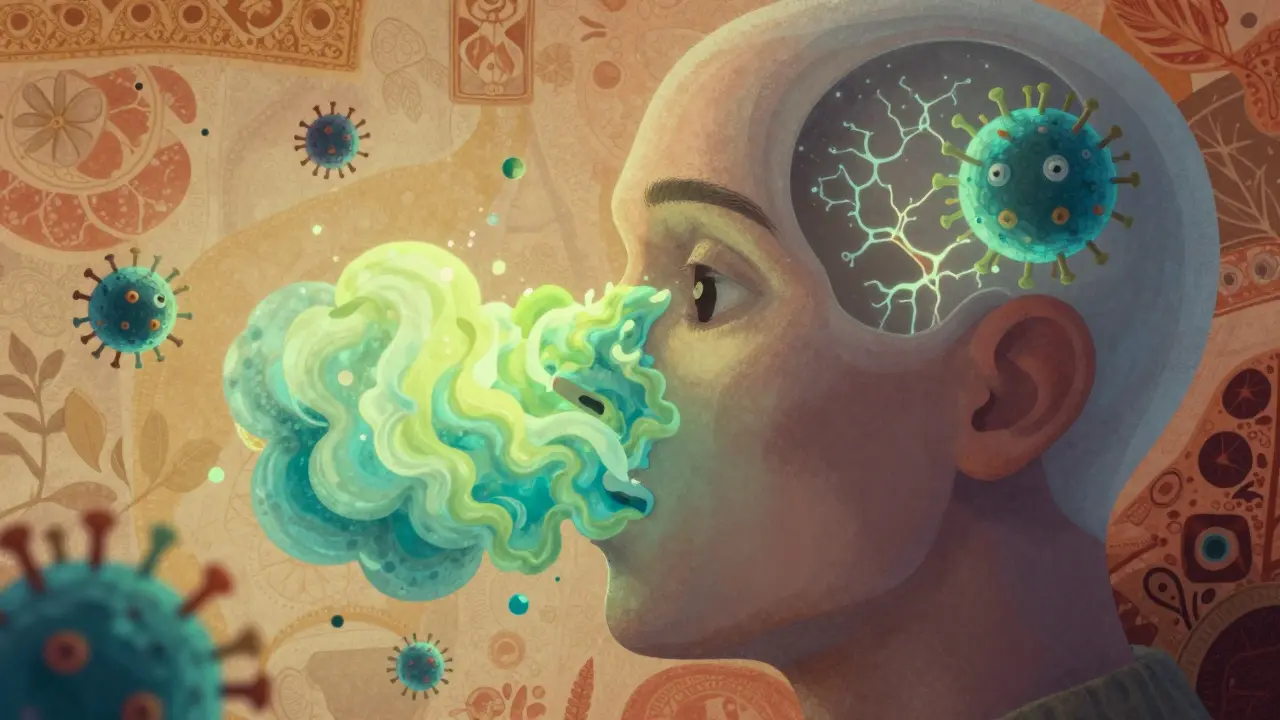
That heavy pressure behind your eyes and the thick mucus draining down your throat feel awful. You reach for the leftover antibiotics in your cabinet, but wait-should you? Most people assume that green or yellow nasal discharge means a bacterial infection requiring medication. The truth is much simpler and often more frustrating: about 90% to 98% of acute sinus infections are viral, meaning antibiotics will do absolutely nothing to help you heal faster. In fact, taking them unnecessarily can cause serious side effects like severe diarrhea or contribute to antibiotic resistance.
Understanding the difference between a viral cold that affects your sinuses and a true bacterial sinusitis (also known as rhinosinusitis) is the key to getting relief without harming your body. This guide breaks down exactly how to tell them apart, when to wait it out, and when you actually need a prescription.
What Is Sinusitis?
Sinusitis is inflammation of the lining of your nasal passages and the air-filled cavities around them, called paranasal sinuses. These cavities normally produce thin mucus that drains easily. When they get blocked-usually due to a cold, allergies, or a deviated septum-the mucus gets trapped. This creates a perfect breeding ground for germs.
Afflicting roughly 31 million Americans every year, sinusitis is a major reason people visit doctors. The Centers for Disease Control and Prevention (CDC) notes that while the condition causes significant discomfort and healthcare costs (estimated at $3.5 billion annually), accurate diagnosis prevents unnecessary treatment. The goal isn't just to stop the pain; it's to treat the right cause so you don't develop complications later.
Viral vs. Bacterial: How to Tell the Difference
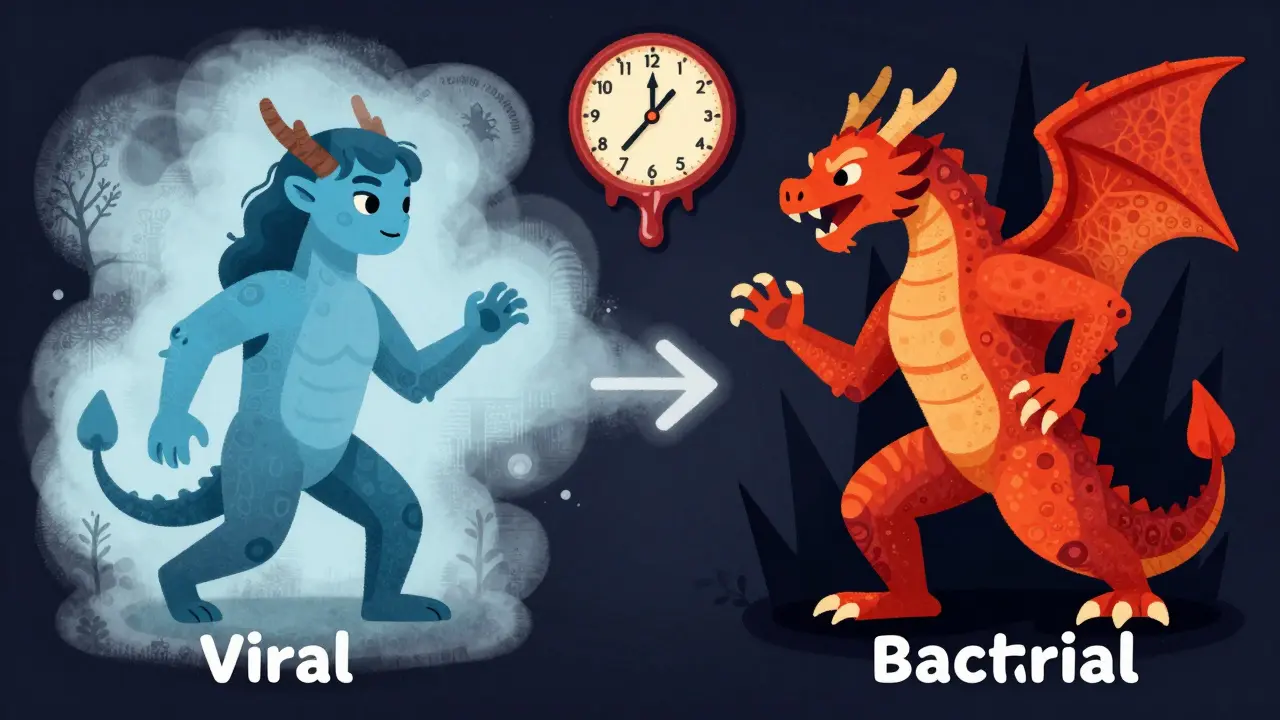
You cannot diagnose the type of sinusitis by color alone. Clear mucus can be viral, and green mucus can also be viral. Your immune system sends white blood cells to fight infection, and when they die off, they turn the mucus yellow or green. This happens in both types. Instead, look at the timeline and the pattern of your symptoms.
| Feature | Viral Sinusitis | Bacterial Sinusitis |
|---|---|---|
| Duration | 7-10 days | Persists beyond 10 days without improvement |
| Progression | Gradual improvement after day 3-4 | "Double-worsening": improves then gets significantly worse after day 5-7 |
| Fever | Low-grade or none | High fever (>102°F / 38.9°C) |
| Nasal Discharge | Clear to white, sometimes yellow/green | Purulent (thick, yellow-green) for >3-4 consecutive days |
| Pain Location | Mild facial pressure | Severe unilateral (one-sided) facial pain or maxillary tooth pain |
The American Academy of Otolaryngology-Head and Neck Surgery emphasizes two specific patterns for bacterial infection: symptoms lasting more than 10 days with no sign of getting better, or the "double-sickening" phenomenon where you start feeling better from a cold, then suddenly crash with worse symptoms. If you fit neither of these categories, you likely have a viral infection.
Treating Viral Sinusitis: Supportive Care
If your sinusitis is viral, antibiotics are useless. The virus runs its course, and your body clears it. Your job is to manage symptoms while waiting for recovery. Here is what actually works:
- Saline Nasal Irrigation: Using a neti pot or squeeze bottle with distilled or boiled water helps flush out mucus and allergens. Studies show this is one of the most effective non-drug treatments. Aim for 2-3 times daily.
- Hydration: Drink at least 2-3 liters of fluids daily. Water thins the mucus, making it easier to drain.
- Humidification: Keep indoor humidity between 40-60%. Dry air irritates inflamed sinus linings.
- Pain Relief: Over-the-counter analgesics like acetaminophen (650-1000mg every 6 hours) or ibuprofen (400-600mg every 6 hours) reduce pain and inflammation.
- Rest: Your immune system needs energy to fight the virus. Sleep is crucial.
A 2022 study published in the journal Laryngoscope found that 75% of patients achieved correct usage of nasal irrigation after watching a simple video demonstration. It takes practice, but it’s worth learning. Many patients report complete symptom resolution within 10 days using only these methods.
When Antibiotics Are Necessary
Antibiotics kill bacteria, not viruses. Prescribing them for viral sinusitis contributes to antimicrobial resistance, a global health crisis identified by the World Health Organization. However, if you meet the criteria for bacterial sinusitis, antibiotics can shorten the illness and prevent complications like spread to the eye socket or brain.
The first-line treatment recommended by the National Institutes of Health (NIH) and the Infectious Diseases Society of America (IDSA) is amoxicillin. The typical dose is 500mg three times daily for 5-10 days. For patients who have taken antibiotics recently or live in areas with high rates of resistant bacteria, doctors may prescribe amoxicillin-clavulanate (Augmentin).
It is critical to avoid certain antibiotics as initial therapy. Macrolides (like azithromycin) and trimethoprim-sulfamethoxazole are generally ineffective because resistance rates among common sinus bacteria like Streptococcus pneumoniae exceed 30-40%. Taking these drugs might delay healing and expose you to side effects without benefit.
Risks of Unnecessary Antibiotic Use
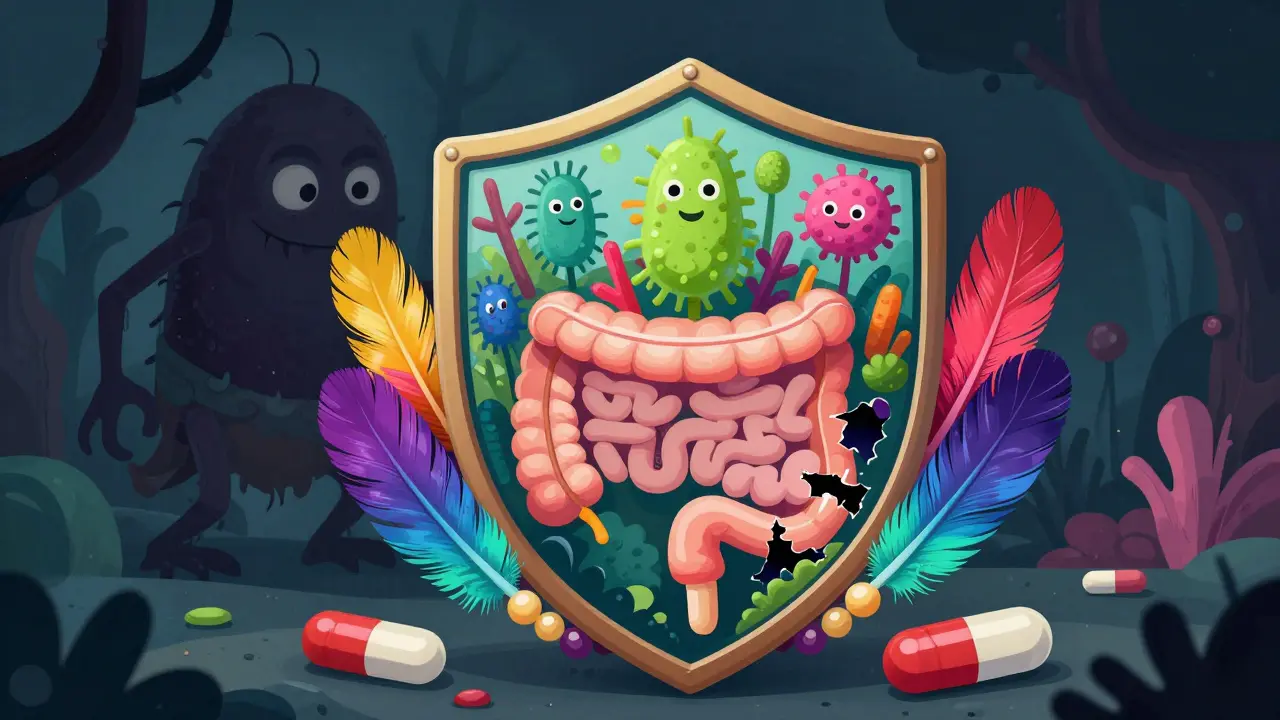
Why is it so important to wait and watch? Because antibiotics disrupt your gut microbiome. A significant risk of unnecessary antibiotic use is Clostridioides difficile (C. diff) infection. This bacterium can overgrow when good bacteria are killed off, causing severe, watery diarrhea, abdominal pain, and fever. C. diff has a recurrence rate of 15-30% and can be life-threatening, especially for older adults or those with weakened immune systems.
Dr. John Craig, a Professor of Otolaryngology at Columbia University, noted that 78% of antibiotics prescribed for sinusitis are unnecessary based on current diagnostic criteria. This overprescription contributes to millions of antibiotic-resistant infections annually. By avoiding unnecessary pills, you protect yourself and your community.
Red Flags: When to See a Doctor Immediately
Most sinus infections resolve on their own or with supportive care. However, some symptoms indicate a complication that requires immediate medical attention. Do not wait if you experience:
- Vision changes: Double vision, blurred vision, or loss of vision.
- Severe headache: Especially if it doesn’t respond to painkillers.
- Swelling or redness: Around the eyes or forehead.
- High fever: Persistent fever above 102°F (38.9°C) for more than 3 days.
- Stiff neck or confusion: Signs of meningitis or other serious infections.
Imaging studies like CT scans are rarely needed initially. Dr. Lisa Liberatore of Lenox Hill Hospital points out that CT scans show abnormalities in 87% of asymptomatic adults, leading to overdiagnosis. Save imaging for cases where treatment fails or complications are suspected.
New Developments in Diagnosis
Medicine is moving toward more precise diagnostics. In May 2023, the FDA approved the first rapid point-of-care test for bacterial sinusitis, called SinuTest™. It detects common bacterial pathogens with 89% sensitivity and 93% specificity. This could soon allow doctors to confirm bacterial infections in minutes rather than guessing based on symptoms.
Additionally, researchers are exploring biomarkers like nasal nitric oxide levels. Levels below 50ppb may suggest a bacterial infection. Future treatments may include nasal probiotics, which showed a 42% reduction in recurrent sinusitis episodes in a phase II clinical trial. These advances promise personalized care that reduces unnecessary antibiotic use by up to 50%.
How long does a viral sinus infection last?
A viral sinus infection typically lasts 7 to 10 days. Symptoms should gradually improve after the third or fourth day. If symptoms persist beyond 10 days without any improvement, it may indicate a bacterial infection.
Does green mucus mean I need antibiotics?
No. Green or yellow mucus is caused by dead white blood cells and can occur in both viral and bacterial infections. Color alone is not a reliable indicator of bacterial sinusitis. Look at duration and symptom progression instead.
What is the best antibiotic for bacterial sinusitis?
Amoxicillin is the first-line treatment for uncomplicated bacterial sinusitis. Amoxicillin-clavulanate is used for patients with recent antibiotic exposure or in areas with high bacterial resistance. Avoid macrolides like azithromycin as initial therapy due to high resistance rates.
Can sinusitis cause tooth pain?
Yes. The roots of upper teeth are close to the maxillary sinuses. Inflammation or infection in these sinuses can cause referred pain to the upper teeth, often described as a dull ache or pressure. Severe unilateral tooth pain can be a sign of bacterial sinusitis.
Is it safe to use a neti pot every day?
Yes, saline nasal irrigation is safe and effective for managing sinus symptoms. Always use distilled, sterile, or previously boiled and cooled water to avoid rare but serious infections. Never use tap water directly.
I read this whole thing and honestly, it’s just more noise. My doctor gave me antibiotics last time I had sinus pressure and I felt better in two days. Who are you to tell me my body doesn’t know what it needs? The article is too long and boring.
Oh, Christopher! Please do not be so hasty in your judgment; there is much wisdom here! It is very important to understand the difference between viral and bacterial infections! I feel for everyone who suffers from these terrible headaches! We must all take care of our health responsibly! Do not dismiss science so quickly! It is a complex matter! Let us listen with open hearts!
Hello friends! It is truly inspiring to see such detailed information shared here! As an inclusive mentor, I believe we should all embrace the power of saline irrigation! It is a game-changer for mucociliary clearance! We must support each other in adopting evidence-based practices! Remember that hydration plays a pivotal role in thinning secretions! Let us be optimistic about our recovery journeys! Together we can combat antibiotic resistance! Keep up the great work everyone!
good advice here. i always forget to drink water when im sick. neti pot works for me. dont waste money on pills if u dont need em. rest is key. sleep more.
This is complete nonsense. I have taken antibiotics for green mucus since I was a child and I am still alive. The medical establishment is trying to save money by telling you to wait it out. I refuse to follow their guidelines. My pain is real and I want it gone now. Waiting ten days is cruel and unusual punishment. I will keep buying leftover meds from neighbors.
OMG Angela you are absolutely right!! This article is a total scam!!! I had sinusitis last year and the doctor wouldn't give me antibiotics even though my face was swollen like a balloon!!! It was a nightmare!!! They just want to protect the bacteria!!! I cried for three days straight!!! Why does nobody help us anymore???
hey guys no need to fight lol. i think both sides have points but mostly the article is right. i used a neti pot once and it was weird but it helped. let's stay chill and hydrate ok? vibes are good here.
I don't trust any of this. You people are hiding something. I bet the big pharma companies are behind this post to stop selling drugs. I saw a guy online who said he cured his sinuses with lemon juice and vinegar. He didn't use any doctors. Doctors are liars. They want to control your mind. I'm going to start drinking bleach water because it kills everything. Stay safe out there.
Frank, please stop spreading dangerous misinformation! Bleach is toxic! This post is accurate and cites legitimate sources like the CDC and NIH! The FDA approved SinuTest is a real breakthrough! You are clearly paranoid and delusional! Stop posting here before you get banned! Your conspiracy theories are exhausting!
The writing style of this article is acceptable, but the content is overly simplistic for anyone with basic biological literacy. Most readers here likely lack the critical thinking skills to distinguish between correlation and causation regarding symptom duration. It is pathetic that people rely on internet strangers for medical advice instead of consulting professionals. However, the section on C. diff risks is adequately detailed.
I find it fascinating how our cultural attitudes toward medicine vary so greatly. In some cultures, immediate intervention is preferred, while others value natural healing processes. This article bridges that gap beautifully. It reminds us that patience is a virtue in health as well as life. We should celebrate the diversity of human experience and learn from each other's approaches to wellness.
hey i’m a nurse and this info is spot on. i see patients come in demanding augumentin every single day. they don’t realize they are hurting themselves. the double worsening sign is huge. if you get better then worse again thats usually bacterial. otherwise just steam and salt water. hope yall feel better soon.